

By Idris Olaide, founder of Seedsprout. Published 21 November 2026.
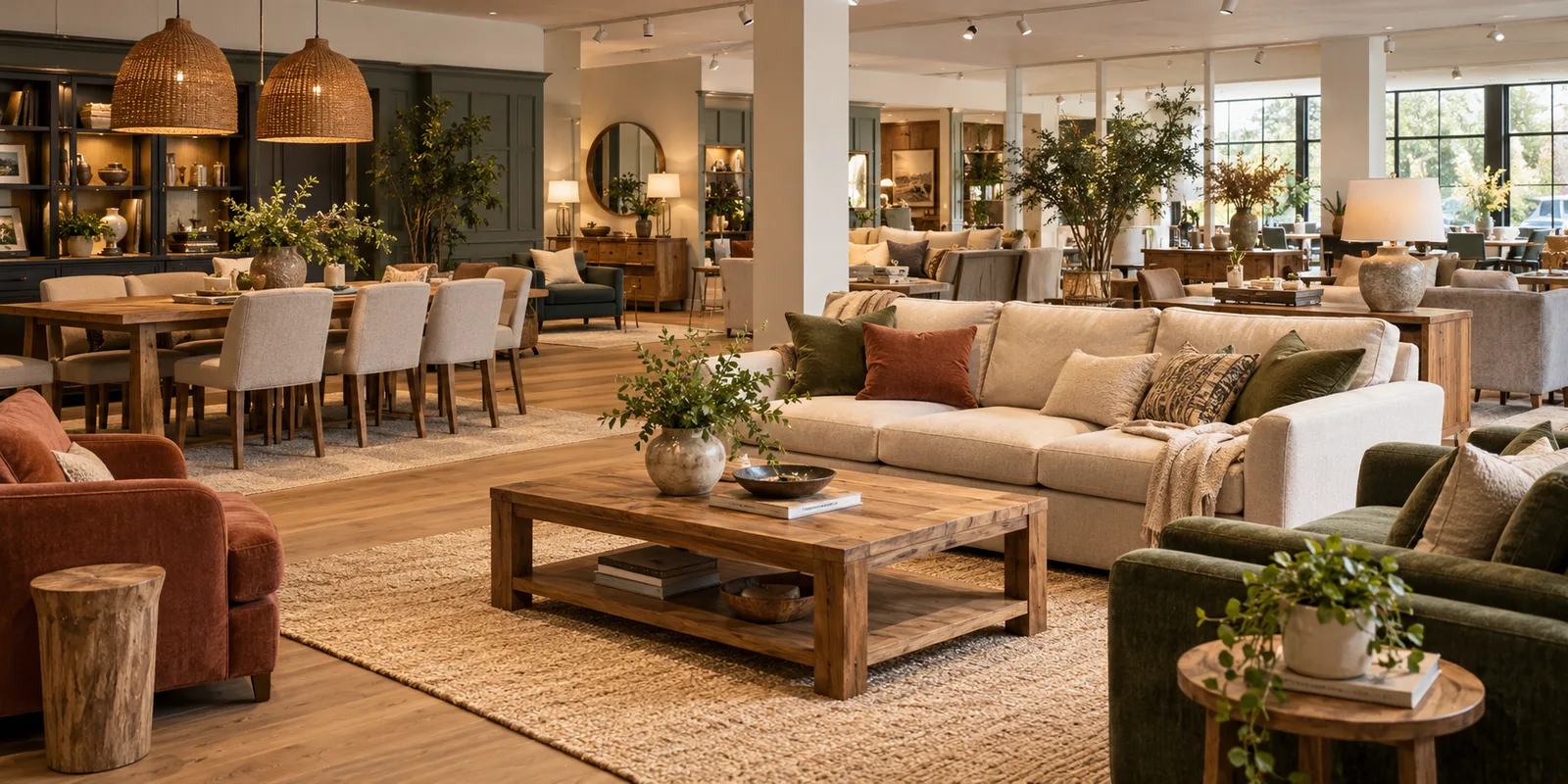
An independent, family-run furniture retailer had the ingredients for growth: a broad product range, a physical showroom and years of sector knowledge. But its online journey was fragmented.
The business had a Shopify store, a separate WordPress website, disconnected marketing activity and limited visibility into which work produced revenue. More traffic alone would not solve that.
Over six months, we connected the commercial system. Online revenue increased by more than 340% compared with the six months before, from March to August 2026 versus September 2025 to February 2026.
The problem was fragmentation, not one weak channel
Customers could discover the business in one place, browse in another and receive follow-up that was not connected to their interests. Search, product data, paid activity, email and measurement were operating as separate jobs.
That made it difficult for customers to move confidently from research to purchase and difficult for the retailer to see what deserved more investment.
Growth comes from connection
The first principle was simple: more traffic will not fix a broken journey. We needed one dependable store, clearer routes to products and measurement that followed meaningful customer actions.
Rather than treating every channel as a separate campaign, the plan connected how people searched, compared, returned and bought.
We consolidated the websites into one Shopify store
The separate WordPress and Shopify experiences created duplicated journeys and unnecessary maintenance. We consolidated the useful content and commerce experience into one Shopify store, planned the migration and redirected old URLs to their closest relevant destination.
This gave customers one coherent place to browse and gave the business one platform to improve.
We rebuilt product and collection pages around buying decisions
Furniture buyers need more than a product name and price. We improved the structure and usefulness of important product and category pages, including clearer product information, collection relationships and internal links.
The furniture SEO work focused on commercially relevant searches and pages that could genuinely help a buyer compare options.
We improved Google Shopping and product data
Google Shopping can reach people who are already comparing products, but only when the feed, website and measurement agree. We improved product data, campaign structure and the connection between advertised products and their landing pages.
Decisions were then based on useful sales signals rather than clicks alone.
We built email journeys for the longer buying cycle
Furniture purchases often take several visits. We introduced email journeys including welcome, abandoned basket and browse abandonment flows, with messages shaped around customer interest.
This helped the retailer continue useful conversations with people who were interested but not ready to buy on their first visit.
We fixed measurement before judging performance
Tracking was reviewed across the buying journey so the team could distinguish product views, basket additions, checkout starts and purchases. That created a stronger basis for deciding which search, Shopping and email work contributed to revenue.
The outcome was not the result of one headline change or one campaign. It came from removing friction across the full commercial system.
The result: 340% online revenue growth in six months
Online revenue increased by more than 340% when comparing March to August 2026 with September 2025 to February 2026.
The result matters, but the lesson is more useful: growth became possible when customer discovery, the Shopify store, product information, advertising, follow-up and measurement supported one another.
Frequently asked questions
How long does it take to grow a Shopify furniture store?
It depends on the starting point. In this case, organic visits rose sharply within two months, and the full revenue increase came over six months. Tracking and email fixes can work quickly, while search growth usually builds over several months.
Do I need to move my furniture store to Shopify?
Not necessarily. The results came from connecting search, product pages, Shopping, email and tracking. Shopify made that easier here, but the same principles apply on other platforms.
Is Google Shopping worth it for furniture stores?
For many retailers, yes, because it reaches people already searching to buy. It works best when product data is accurate and tracking shows which products actually sell.
What email journeys should a furniture store have?
At minimum: a welcome series, abandoned basket emails and browse abandonment emails. Splitting journeys by product interest makes the messages more relevant.